

our history

-
Origins
Moves to provide lifesaving apparatus at West Beach were made at Burnie as early as February 1919. Minutes of the Burnie Tourist and Progress Association of February 13th reveal that it was resolved to ask the Emu Bay Council to install a reel, line and belt at the beach. The annual report of the Burnie Tourist and Progress Association presented on May 27th, 1919 indicated that a local lifesaving club had been formed because the following extract was recorded.
“In joint action with the local lifesaving club, the association arranged with the council to install lifesaving apparatus on south and west beaches.”
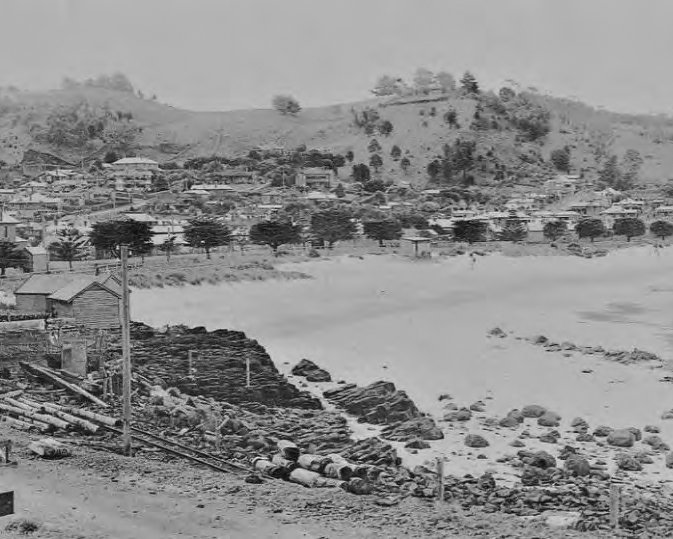
The Burnie foreshore (pictured) before BSLSC’s presence, possibly in the late 1800s, or early 1900s. The small foreshore building may be a bathing box or an early surf clubhouse. A railway line (foreground) carried rock ballast to build the breakwater.
-
First Surf Rescue Team
Local barber Tom Scott was one of those who formed Burnie’s first unofficial surf rescue team in the summer of 1919-20, together with Laurence Wells, Stan Gill and Tom Munn.
Captain James Newlands, VC convened and chaired a meeting at Tom Scott’s saloon in the summer of 1921. Also present were Tom Scott, Percy Baldwin, Stan Gill, Herb Dudman, Sid Melbourne, Joe Bryant, Claude Wells and Alynn Emmett. The meeting decided to form a club, to be known as the Burnie Surf Life Saving Club. The first president was Captain James Newlands, the Captain and Chief Instructor was Tom Scott, the Secretary was Alynn Emmett and the Committee was the remainder.
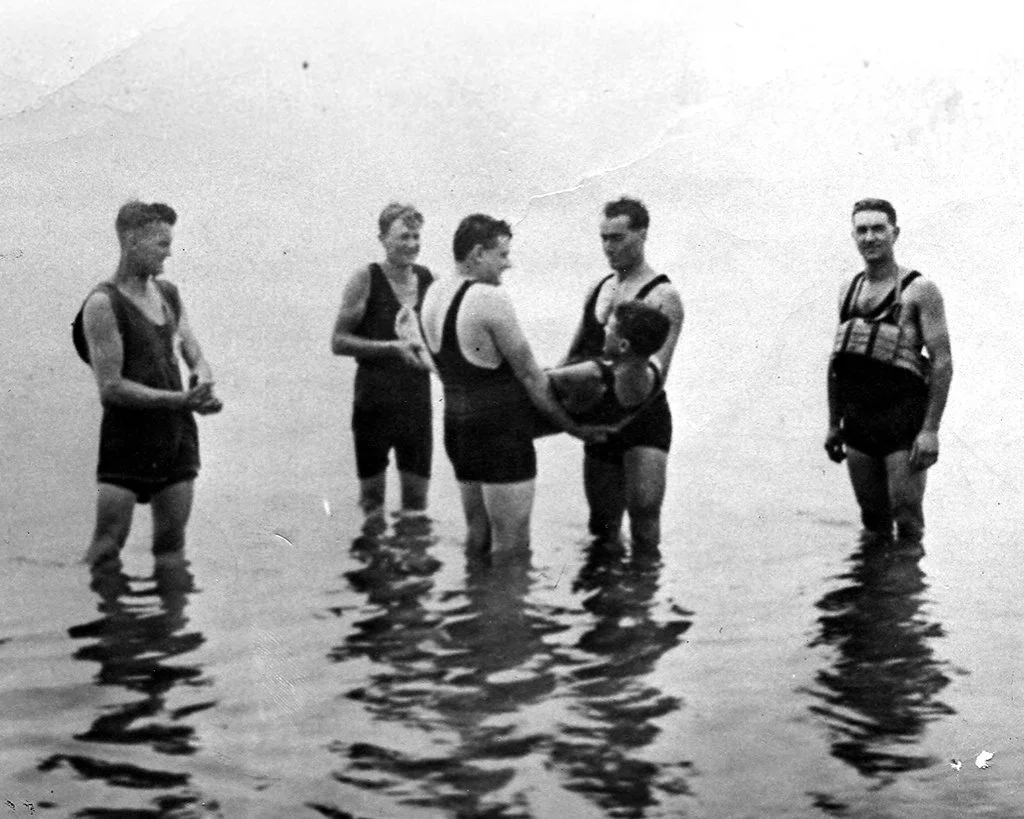
The first Burnie Surf Bathing and Life Saving Club team (pictured) training at West Beach in 1925. Instructor Tom Scott (left) and belt man Laurence Wells, with (L to R) R. Townsend, N. Brown and L. (Ducky) Leary carrying patient Keith Tattersall. It was later agreed and learnt that the patient should be carried face down.
-
Bricks and Mortar
Shortly after a clubhouse built of split palings was erected just west of the old Parade swimming pool and was painted with a mixture of red ochre and linseed oil. The plans of a surf reel were obtained from NSW and a reel was constructed and used for many years. A club was formed at Devonport on January 19, 1927, and was the first Tasmanian Club to affiliate with the Surf Lifesaving Association of Australia. Burnie followed suit in 1931.
The club has since grown and prospered in many ways, being one of the largest and most successful clubs in the State.
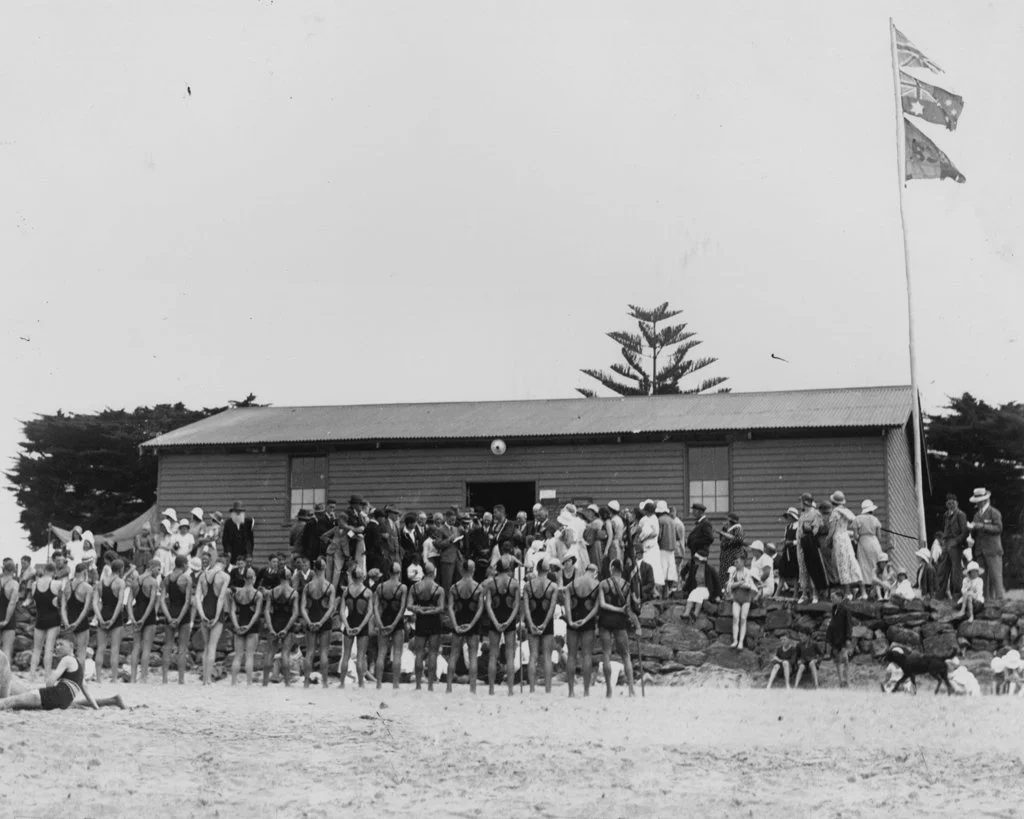
Wooden Burnie Clubhouse (pictured) at West Beach in 1931-32 was officially opened during a Burnie carnival. The wooden clubhouse served the Burnie Surf Life Saving Club for the next 35 years before the new brick building was constructed in 1961.
-
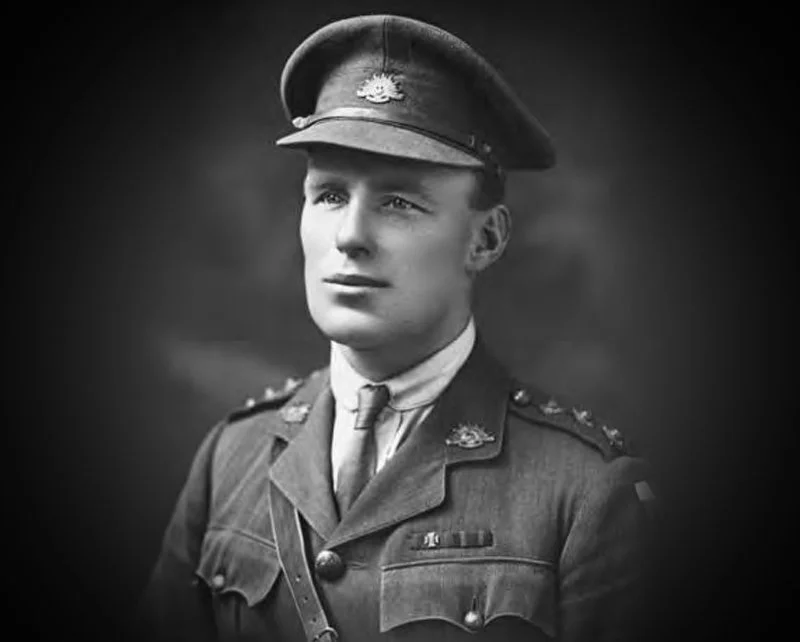
Founder an Australian war hero
It was during a short stint with the Army in Tasmania after WWI, that Captain James Ernest Newland VC MID became involved in surf lifesaving. He was the Burnie Surf Bathing and Life Saving Club President for three seasons from inception till 1922.
James' connection with Tasmania appears to have begun as a policeman in Tasmania from March 1909 until August 1910 (it is unsure where he was stationed), when he rejoined the regular Army in Tasmania, serving with the Australian Instructional Corps.
On December 27, 1913, he married Florence May Mitchell, at Sheffield, and was living at Sheffield at the time of his enlistment on August 17, 1914, transferring to the newly raised Australian Imperial Force, where he was assigned to the 12th Battalion as regimental quartermaster sergeant. He embarked from Hobart aboard HMAS Geelong on October 20, 1914 for WWL, arriving at Gallipoli on April 25, 1915. He was among the first wave to land on Gallipoli and was wounded that day and evacuated. On May 22, 1915, he was commissioned second lieutenant after re-joining his unit.
Newland, and by coincidence, another soldier with Tasmanian connections, Hobart-born Tasmanian Sergeant John Woods Whittle, were both awarded the Victoria Cross for bravery in action, the only two permanent members of the Australian military to receive the decoration during WWI.
WWI Campaign: James Newland (pictured), was awarded the Victoria Cross for bravery under fire.
-
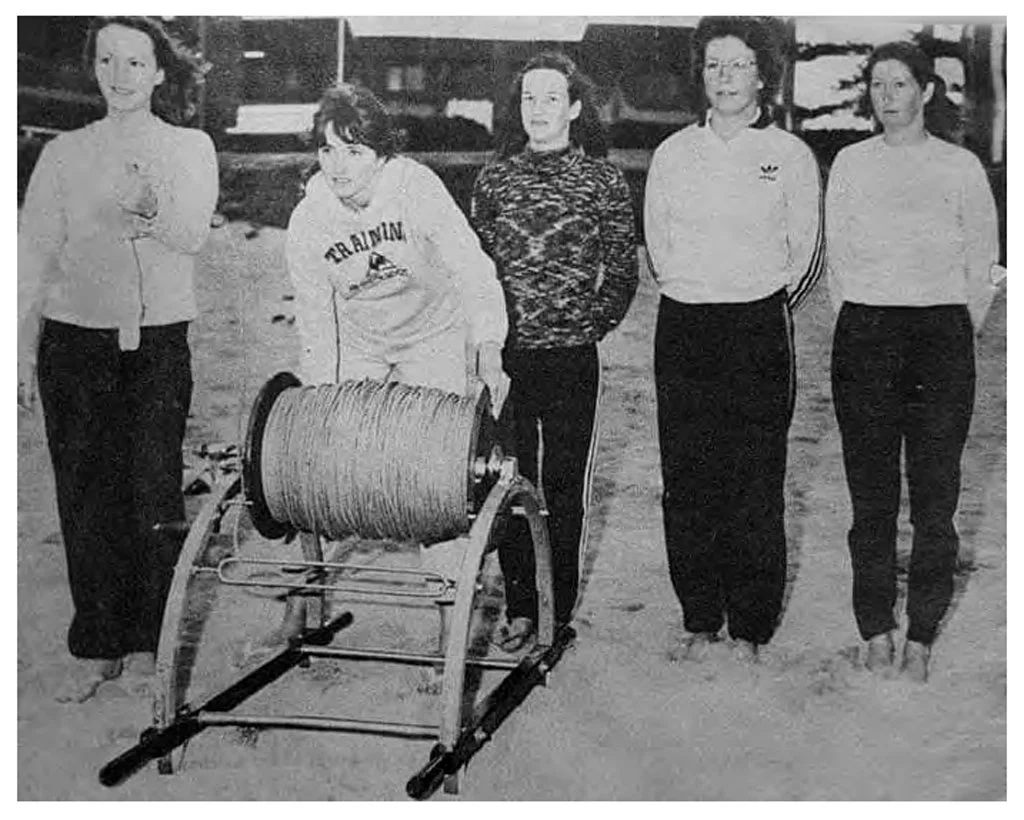
First active female members 1980
Ten females joined Burnie’s first Bronze Medallion squad in 1980, and seven qualified. Burnie’s first female lifesaving team, in 1980, included Judy Faulkner, Bernadette Nelson, Leanne Ray and Veronica Willcox (patient).
» Jan Radford was possibly the first female to break through the club captaincy glass ceiling in 1980-81 when she was elected Vice Captain.
» Jan Clingeleffer was the first female to be elected to a Captaincy (also a Management Committee role), as Club Captain in 1988-89 and 1989-90.
» Daughter Amanda Clingeleffer followed suit on the Management Committee and made history when she became Burnie’s first Tasmanian Lifesaver-of-the-Year.
» The first female Chief Instructor was Sue Jordan, who shared the role in 1996-97. Rachel Blizzard was the first female to hold the position in her own right, in 1998-99.
» First Female Boat Crew: Wendy Elphinstone, Katrina Watts, Raylene Mullins, Rachael Blizzard, Susan Jacques, and sweep, Dale Cumming launched the Club’s first female boat crew at the 1995-96 marathons.
» Christine Gaby was selected as the first female Captain of the Tasmanian Surf Life Saving team in 1999.
» Georgia Norton (nee Laird) and Courtney Dowling were BSLSC’s first-ever female Australian medallists, winning a Silver Medal in the Open Women’s Double Ski in 2016.
» Marcelle Norton was awarded Life Membership in 2013, in recognition of 40 years of service.
Women in training (pictured) for their Bronze Medallion following the acceptance of females in 1980. (L-R): Carol Rodger, Mandy Smith, Jeanie Lyons, Janette Murphy and Jan Radford. The latter two qualified for the Bronze that year, but it is not clear what became of the other trainees. An additional five women, not pictured, also qualified - Amanda Smith, Leanne Ray, Veronica Wilcox, Bernadette Nelson and Judith Faulkner
-
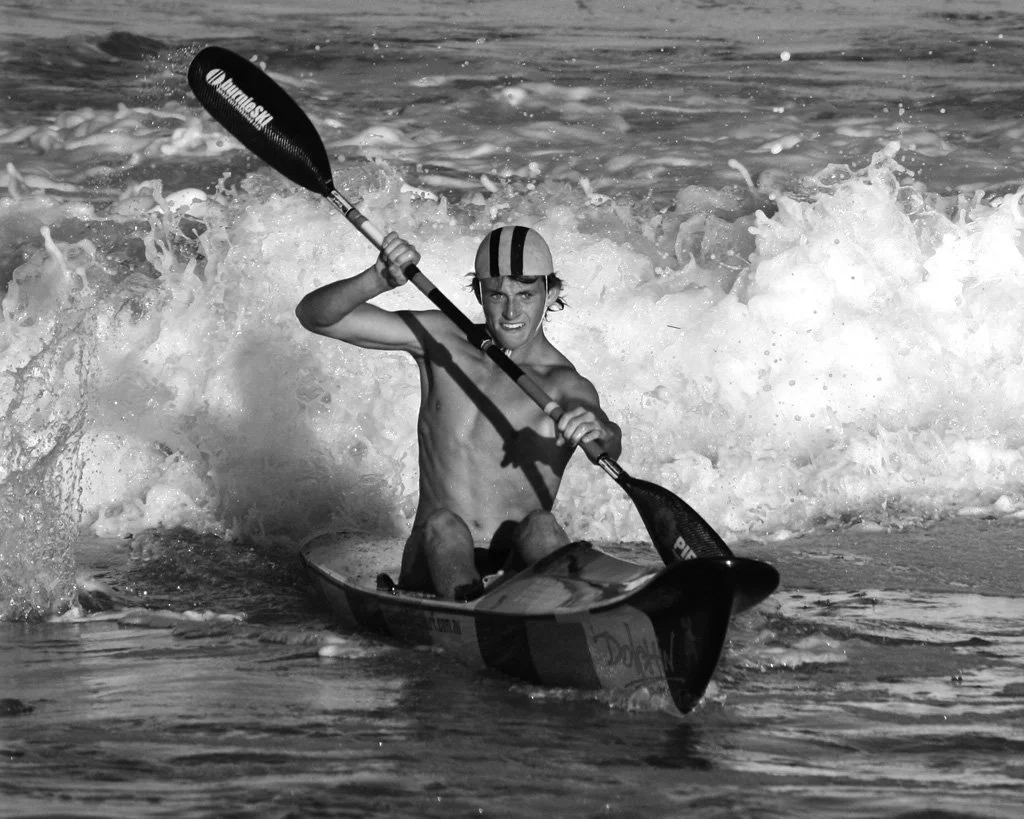
First Individual Australian Champion
Tom Norton became our first individual Australian Champion when he won the Under 17 Single Ski at Scarborough Beach, Western Australia in March 2009. Tom had a great Aussies, also taking the Bronze in the Under 15 Surfboard and teaming with Jack Murphy and Nathan Cross to reach the Under 19 Ski Relay Final.
His success as one of Tasmania’s most talented ski paddlers became etched in history at the 2023 Aussies at Kurrawa. While competing for his new club Northcliffe, Tom crossed the line for a hard-fought second place in the Australian Men’s Single Ski Championship at Kurrawa.
Gold medal performance (pictured): Tom Norton as he wins the 2009 Under 17 Australian Single Ski Championship at Scarborough.